You have already done the classic Masai Mara trip. You have sat at a crossing point with a hundred other vehicles and told yourself it was worth it. September Masai Mara migration crowds are smaller than August’s, but only if you plan where you base yourself, not just when you travel. This guide covers real vehicle counts, named crossings, and conservancy camps that skip the queues.
When the Migration Is Actually in the Mara in September
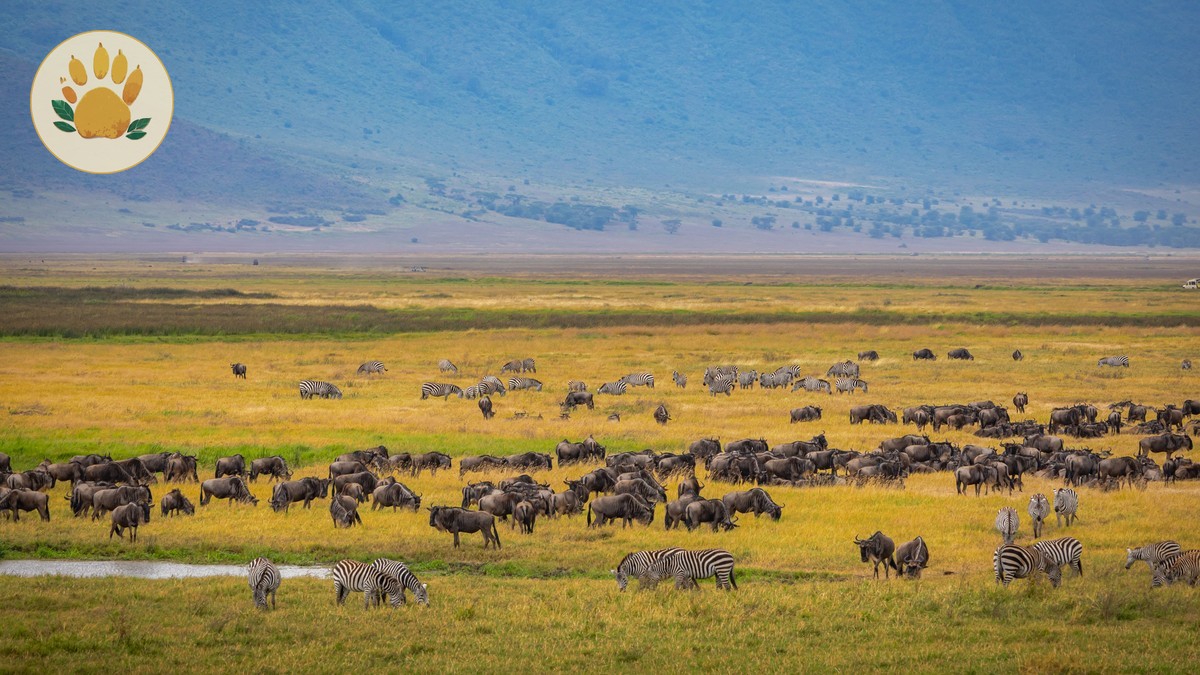
By early September, most of the wildebeest herds that arrived in July are still spread across the Mara Triangle, the central reserve, and the northern conservancies. Some groups begin drifting south again toward the end of the month as grass in the Serengeti’s Lobo area starts to recover. Crossings of the Mara River still happen throughout September, in both directions. Herds move back and forth chasing fresh grazing rather than making one clean push south. If you missed the July Wildebeest Arrivals in the Masai Mara, September gives you a second window. The water is often calmer, with fewer crocodile-related pileups at the banks.
September Masai Mara Migration Crowds vs. August and July
August is the peak of peak season. Every camp in the ecosystem is full. Tour operators run extra vehicles, and popular crossing points fill up fast once word spreads on the radio network. September stays busy too. This is still high season by any measure, but the volume drops in a way you can actually feel from inside a vehicle.
| Factor | July | August | September |
|---|---|---|---|
| Herd location | Arriving from Serengeti | Peak spread, Triangle to Reserve | Still present, starting to shift south late month |
| Camp occupancy (ecosystem-wide, approx) | 70-85% | 90-100% | 65-80% |
| Vehicles at a busy crossing (approx) | 60-120 | 150-200+ | 30-60 |
| Mara Reserve entrance fee (non-resident) | USD 200/adult/day | USD 200/adult/day | USD 200/adult/day |
| Best base for lower crowds | Conservancies | Conservancies | Conservancies |
Note the reserve fee does not drop in September. Narok County Government runs the Masai Mara National Reserve and keeps the USD 200 per adult per day rate through the whole July to December stretch. The crowd relief in September comes from fewer vehicles chasing the same sightings, not from a cheaper or quieter reserve on paper.
Reserve vs. Conservancy: Where the Vehicles Concentrate
The Masai Mara National Reserve itself, including the Mara Triangle on its western side, is where almost all the crowding happens. Day-trippers from Nairobi, guests staying in Sekenani or Talek towns, and reserve-based lodge guests all converge on the same handful of access roads and crossing points.
The private conservancies that ring the reserve, including Naboisho, Mara North, Olare Motorogi, and Nashulai, cap the number of vehicles and beds allowed per square kilometer. That single rule changes the experience more than the calendar does. A camp inside Naboisho Conservancy might have 15 vehicles working an area the size of a small national park. The reserve can have that many vehicles parked at one crossing alone.
For a deeper look at community-run land, see our guide to staying in a community conservancy. It covers how Nashulai works with local Maasai landowners and what that means for game viewing rules.
Named Crossing Points and Realistic Vehicle Counts
Four crossing points see most of the crossing traffic in the Mara Triangle and central reserve: Lookout Point, Paradise Crossing, Cul-de-sac, and the Purungat Bridge area. In August, Lookout Point and Paradise Crossing regularly draw 150 to 200 or more vehicles when a large herd is building on the bank. In September, based on driver reports from the same points, that number is commonly closer to 30 to 60 vehicles for an equivalent crossing. Smaller or less publicized crossings can be nearly empty even in high season because guides only find out about them by radio at the last minute. For a full breakdown of each site, see our guide to Mara River crossing points.
Weather and Game Drive Conditions
September in the Mara sits at the tail end of the dry season. Daytime temperatures usually run 24 to 27°C, dropping to around 12 to 14°C at night. Rain is rare, typically under 40mm for the month. That means dry, dusty tracks, but also excellent visibility and easier off-road access in the conservancies. Grass is shorter than earlier in the season, which helps with predator sightings. Cats are easier to spot low in dry grass than hidden in green growth.
Where to Stay for Fewer Crowds
Reserve-based lodges like Mara Serena Safari Lodge sit close to the Mara River, roughly 5 to 8km from the main crossing points on the Triangle side. That is convenient, but it puts you in the thick of reserve traffic. Mara Sopa Lodge sits further out near Sekenani, around 25 to 30km from the main crossings, meaning longer drives to the action.
Conservancy camps trade a longer drive to the river for a much quieter daily experience. Naboisho Conservancy sits roughly 10 to 15km from the Talek gate into the reserve. Camps like Encounter Mara run approximate September rates of USD 700 to 950 per person per night, full board. Mara North Conservancy camps, including Kicheche Mara Camp, run similar indicative rates and sit closer to the Lamai and Kabasero river frontage.
| Base camp type | Example property | Approx. distance to river crossings | Approx. September rate (per person/night) |
|---|---|---|---|
| Reserve lodge | Mara Serena Safari Lodge | 5-8km | USD 450-650 (indicative) |
| Reserve lodge | Mara Sopa Lodge | 25-30km | USD 350-500 (indicative) |
| Conservancy camp | Encounter Mara, Naboisho | 15-20km | USD 700-950 (indicative) |
| Conservancy camp | Kicheche Mara Camp, Mara North | 10-15km | USD 750-1,000 (indicative) |
Conservancy rates run higher per night, but they bundle conservancy fees and game drives. Many also include a night drive or bush walk that the reserve does not permit. Treat all rates here as indicative ranges, since camps adjust pricing by season and demand.
Predator and Big Cat Activity
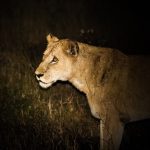
September is a strong month for predator sightings. Shorter grass and concentrated prey mean lion prides, especially the well-known Marsh Pride and Paradise Pride in the Triangle, stay active and visible. Cheetahs favor the open plains of Naboisho and the Mara Triangle this time of year. Leopard sightings pick up in riverine areas like the Talek and Ntiakitiak river lines. Lower vehicle density in the conservancies means the cats are less disturbed and easier to track over consecutive days.
When the Herds Start Moving Back to the Serengeti
There is no fixed date for the return migration. It depends on rainfall patterns in both ecosystems. Most years, the bulk movement south toward the Lobo and Wogakuria areas of the Serengeti begins in late October or November. Late September can still show strong herd numbers in the Mara. Guides start watching for early southward movement by the last week of the month.
Practical Tips for Booking a Lower Crowd September Safari
Book conservancy camps at least four to six months ahead. Repeat visitors already know September works well, and availability tightens early. Ask any camp directly how many vehicles operate in their concession block, not just the total bed count. Plan two to three nights in a conservancy, paired with one or two nights in the reserve timed around a known crossing window. That beats basing entirely inside the reserve for the whole trip. Confirm current entrance fees before you travel. The Masai Mara National Reserve’s USD 200 per adult per day rate applies through December.
The SafariPure Difference
We build September itineraries around actual vehicle patterns, not just calendar dates. That means pairing a conservancy base, often Naboisho or Mara North, with planned reserve drives timed to specific crossing points rather than open-ended searching. We work directly with camp managers to confirm current rates and vehicle caps before you book. That way, the numbers in your itinerary match what you find on the ground.
Plan Your September Mara Safari
If a calmer version of the migration sounds right for your next trip, we can build a September itinerary around conservancy stays and timed crossing drives. Visit our Masai Mara safari page or reach out through our contact page to start planning.